
The State of Hybrid Work in Professional Services
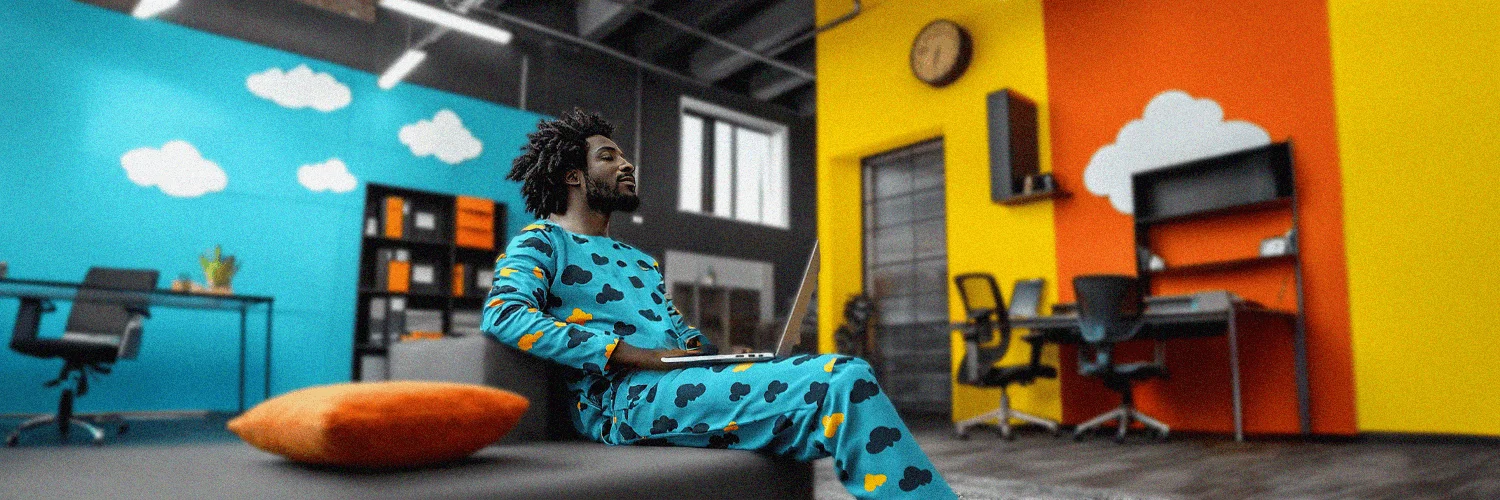
The concept of hybrid work has gathered immense interest in recent years, and professional services organizations are at the forefront of this exciting shift. As firms that rely heavily on talent and expertise, professional services companies have had to rethink how they attract, retain, and support their workforce in a world where flexibility is no longer a perk but an expectation.
This report examines how hybrid work is reshaping the professional services landscape, drawing on data from industry surveys, employee feedback, and organizational studies to paint a complete picture of where the industry stands today.
TL;DR:
- Hybrid work is the dominant preference among employees, but requires clear guidelines
- Offices are transforming into collaborative hubs
- Technology plays a critical role in supporting hybrid teams
- The shift has changed corporate culture — companies must prioritize connections
- The flexibility makes freelancing more attractive (59% agree)
Employee Experience Is Key
Professional services executives attribute 76% of their company’s value directly to employees. In an industry where intellectual capital is the primary asset, the employee experience is not just important — it is everything.
Companies must understand the needs of their workforce, leverage technology to create seamless work environments, and invest in training programs for managers to lead distributed teams effectively. Organizations that fail to prioritize the employee experience risk losing their most valuable asset: their people.
When employees feel supported, engaged, and empowered to do their best work regardless of location, the results speak for themselves — higher retention, better client outcomes, and stronger bottom lines.
Hybrid Work Dominates Employee Preferences
According to Gallup, only 3% of professional services employees prefer to work fully on-site. The data is striking: roughly one-third of employees prefer fully remote arrangements, while two-thirds prefer a hybrid setup that blends in-office and remote work.
This overwhelming preference for flexibility reflects a fundamental shift in how professionals view the relationship between work and life. Employees are no longer willing to accept rigid schedules and mandatory office presence when they have proven they can deliver results from anywhere.
For professional services firms, understanding and responding to these preferences is critical for talent acquisition and retention. Organizations that mandate a full return to the office risk alienating the majority of their workforce.
Professional Services Workers and Productivity
The productivity debate in professional services has largely been settled by the data. Managers recognize that employees can be productive in both office and remote settings, though perspectives differ slightly depending on who you ask.
Employees tend to lean towards working from home, believing their productivity is higher when working remotely. They cite fewer interruptions, the ability to create a personalized work environment, and the elimination of commute-related fatigue as key factors.
Why Workers Appreciate Hybrid Work
The reasons professional services workers value hybrid arrangements are consistent and well-documented:
- Flexibility and less burnout risk — The ability to choose where and when to work helps employees manage their energy and avoid the exhaustion that comes from rigid schedules.
- No commute time — Eliminating or reducing commutes gives employees back hours each week, which they can reinvest in work or personal well-being.
- More autonomy — Hybrid work signals trust, and employees respond to that trust with greater ownership of their work.
- Improved work-life balance — The ability to integrate personal responsibilities with professional obligations reduces stress and increases satisfaction.
- Higher productivity from fewer distractions — Many employees find that focused, deep work is easier to achieve outside the traditional office environment.
Hybrid Work Is Changing the Role of the Office
The office is no longer the default place where work happens. Instead, it is evolving into a destination with a specific purpose. Open floor plans and designated collaboration areas are becoming increasingly popular as organizations redesign their physical spaces to match how employees actually use them.
Offices now serve primarily as cultural centers — places where teams come together for brainstorming sessions, client meetings, team-building activities, and the spontaneous interactions that strengthen relationships. The shift from individual workstation to collaboration hub represents one of the most significant changes in workplace design in decades.
The Lack of Hybrid Work Guidelines
Despite the widespread adoption of hybrid models, many organizations have failed to provide employees with clear guidance. 38% of hybrid employees say their biggest challenge is knowing when and why to come to the office.
Without clear guidelines, confusion reigns. Employees arrive at the office expecting to collaborate, only to find their teammates working from home. Collaborative spaces sit empty while individuals occupy meeting rooms for solo video calls. The lack of structure undermines the very benefits that hybrid work is supposed to deliver.
Organizations need to establish clear expectations about office days, define the purpose of in-person time, and communicate these guidelines consistently across teams.
Main Technology Challenges
Technology is the backbone of hybrid work, and professional services firms face several persistent challenges in getting it right:
- Reliable Internet connectivity — Remote workers depend entirely on their network connection, and inconsistent connectivity remains a top frustration for hybrid employees.
- Seamless collaboration tools — Teams need platforms that make it easy to work together regardless of location, from document sharing to real-time communication to project management.
- Data security — Professional services firms handle sensitive client information, and extending the security perimeter beyond the office introduces new risks that must be managed carefully.
- IT support — Supporting a distributed workforce requires a fundamentally different approach to IT services, including remote troubleshooting, self-service tools, and proactive monitoring.
Solving these technology challenges is not optional. Firms that fail to invest in robust hybrid infrastructure will see productivity suffer and employee satisfaction decline.
What About Company Culture?
The impact of hybrid work on company culture is one of the most debated topics in professional services. Interestingly, managers are more likely than employees to believe that culture has improved since the pandemic. This perception gap suggests that the experience of hybrid work varies significantly depending on one’s role and level within the organization.
What is clear is that companies need to be intentional about building and maintaining culture in a hybrid environment. This means creating inclusive environments where remote employees feel just as connected and valued as those in the office, establishing effective communication practices that keep everyone informed and engaged, and designing moments of connection that bring people together with purpose.
Culture does not happen by accident in a hybrid world. It requires deliberate effort, consistent investment, and a willingness to experiment with new approaches.
A Changing Employment Landscape
One of the most significant downstream effects of hybrid work is its impact on the broader employment landscape. 59% of professional services employees say that hybrid work technology has made freelancing a more attractive career option.
When employees have proven they can work effectively from anywhere using digital tools, the leap from full-time employment to independent consulting becomes much smaller. Professional services firms must recognize this shift and respond accordingly — either by offering the flexibility and support that makes employment more attractive than freelancing, or by developing strategies to engage and integrate freelance talent into their delivery models.
The hybrid work revolution is not just changing where people work. It is changing how they think about work itself, and professional services organizations that embrace this reality will be best positioned for the future.
Workplace of the future. Today.
See how YAROOMS integrates with Microsoft 365 to create a seamless workspace booking experience.