
How to Convert Return-to-Office Anxiety into Positive Change

Understanding Return-to-Office Anxiety
Return to office anxiety is a common feeling among employees transitioning back to the office after remote work during the pandemic. This anxiety stems from various sources, including feeling without control over return-to-office policy, sudden changes in work arrangements, and concerns about office safety and comfort.
Bex Moorhouse identifies sudden policy implementation and employee exclusion from decision-making as primary anxiety contributors. She notes: “When colleagues feel like they’ve not been part of the decision, that’s when anxiety can get worse as a result of being called back to the office.”
Involvement and Empowerment
Involving employees in return-to-office strategy minimizes shock and resistance. Bex advocates: “It’s about having that conversation and building out what the new approach is but doing it together.” This collaborative approach reduces anxiety and enhances organizational commitment.
Gradual policy introduction allows employees comfortable acclimation to new expectations. Flexibility in choosing work days further empowers employees. Bex recommends: “Empower as much as possible. So, it might be saying that you need to be in the office twice a week, but you can decide which day that is.”
Transparent communication builds trust within organizations. When employees participate in dialogue, they feel valued and understood, significantly improving their return-to-office outlook.

10 Change Management and Communication Expert Takeaways
According to Bex: “Change management is so important because people need to understand and have the time and the handholding really to ask questions and to challenge like, well, why do I need to go in and have those conversations?”
Recommended approaches include:
Clear Communication: Meetings require proper preparation for effectiveness; return-to-office needs clear communication about expectations and outcomes.
Tailored Strategies: Surveys and focus groups help understand employee preferences, shaping policies considering individual needs rather than blanket approaches.
Gradual Implementation: Sudden policy changes without adjustment time aren’t welcome. Bex advocates: “Going to the office, setting up things, connection points when you get to the office, like pre-setting meetings or breakfast or lunches… to encourage people to come back as well, I think is a really nice approach.”
Adequate Notice: Employers should provide sufficient notice and explanation before return-to-office requirements. “You need to understand that everybody’s going through the change curve at different stages.”
Balance Business and Well-being: Organizations should balance business needs with individual well-being. Regular manager check-ins address personal challenges. “For some people, being around lots of people… can be quite challenging.”
Manager Role Modeling: Managers should exemplify expected behaviors – taking lunch breaks, engaging in meaningful conversations. “If a manager comes in, doesn’t talk with their team, sits in meeting rooms all day… They need to role-model meaningful conversations and have those moments that really matter in the office.”
Training and Support: Employers should provide training on effective hybrid work practices, new technologies, and maintaining productivity across settings.
Managerial Training: A gap exists in hybrid team management training. Proper manager training is crucial for effective team management and successful hybrid meetings.
Trust Foundation: Without trust, managers may jump to negative conclusions about delayed responses, creating unnecessary team tension.
Avoid Blind Following: Companies shouldn’t adopt other organizations’ practices without considering unique contexts. “It seems to be that the Google’s etc. are asking people to come back and therefore everybody sort of starts doing the same thing to follow suit.” Bex warns against blindly adopting practices without considering specific team needs and preferences.
Maximizing the Office Experience
In-person work fosters collaboration and creativity. Bex notes: “The office is more than a place of work; it’s where the magic of face-to-face collaboration brings ideas to life.” Face-to-face interactions resolve issues quickly and foster community. Employees enjoy social aspects like shared meals and casual encounters impossible remotely.
Recommended strategies include:
Physical Transformation: Office spaces accommodate activity-based working. Ergonomic setups like sit-stand desks and various spaces suit different personalities and work styles.
Inviting Spaces: Invest in functional, comfortable office spaces accommodating diverse activities and work styles. “It’s about curating an environment that resonates with the diverse personalities and roles within a company.”
Leverage In-Person Benefits: Certain activities benefit inherently from direct interaction. “There are certain things that just work better when you’re together in person. Onboarding new starters, conducting wellbeing check-ins, and performance reviews are all enhanced by the nuances of face-to-face communication.”
Social Connection: Build cohesive team culture through social events. “Creating moments for connection and celebration within the office can significantly boost morale and a sense of belonging.” Returning to the office allows employees to reconnect with colleagues from different teams, strengthening broader community belonging.
The Role of Technology
Technology supports return-to-office by enhancing user experience and simplifying transition, integrating seamlessly without overwhelming users. Bex states: “I’m a massive advocate of technology, but I’m a massive advocate of technology that’s thought of through the user experience. So that whole UX design is so important because I think whilst technology is great, like say, for example, you have a desk booking system or something like that, for people who are commuting in they need that security to know that the desk is there, etc.”
Practical examples aiding transition include:
Desk Booking Systems: Provide employees security knowing designated workspace availability when coming to the office, especially important in activity-based working environments.
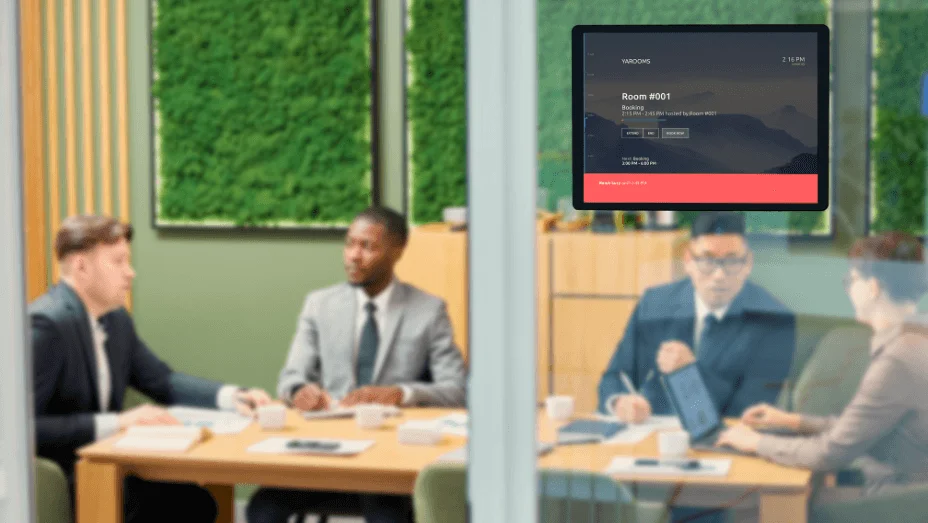
Meeting Room Technology: Equipped with technology allowing remote participant inclusion equally with physically present attendees, including dual screens for content sharing and remote participant visibility, plus someone managing virtual aspects.
Environmental Controls: Bex envisions workplaces where technology lets employees personalize environments – adjusting temperature or desk height via smartphone app, making spaces comfortable and conducive to work.
Bex’s technology vision removes friction rather than adding it, creating smooth, enjoyable employee experiences. She states: “Unfortunately, a lot of the technologies that we do see rolled out, they add a bit of friction rather than supporting the experience.”
Practical Tips for Positive RTO Policy Adoption
Bex provides several recommendations for managing return-to-office strategy:
Align Office with Company Vision: Review the environment and match it to whatever the company vision and mission statement is. Make office spaces attractive and comfortable, designing them supporting different activity types and personalities.
Engage in Open Dialogue: Involve colleagues in decision-making processes. Main anxiety sources stem from feeling without control or input over return-to-office policy. Employers should involve colleagues in conversations and adopt collaborative approaches.
Rework Physical Office Space: Limited success has been seen when companies have tried to just get people back in the office but made no changes to the floor plate. The process also needs a rework of the physical office to make sure that it’s fit for purpose in this new way of working.
Implement Thoughtful Technology: Consider what technology you need to actually make it all work. Make sure change management is embedded with the project early to support implementation of new technology, workspaces, and how things work longer term.
Consider Project Scope and Stakeholder Alignment: It should be treated like any big project. You need stakeholder alignment across the whole business – this isn’t just an HR or facilities project. This is a senior stakeholder organizational project.
Embracing Return to Office Positively
The return-to-office journey represents an emotional and cultural shift requiring careful navigation. For employers, this presents opportunities to listen, adapt, and lead intentionally. It involves crafting offices resonating with team values, leveraging technology simplifying workflows, and fostering cultures where individuals feel valued and heard.
By involving employees in decision-making, respecting individual needs, and communicating effectively, companies can transform RTO anxiety into growth and positive change opportunities.
For deeper insights, the full podcast episode is available on YouTube, Apple Podcasts, and Spotify.
Workplace of the future. Today.
See how YAROOMS integrates with Microsoft 365 to create a seamless workspace booking experience.